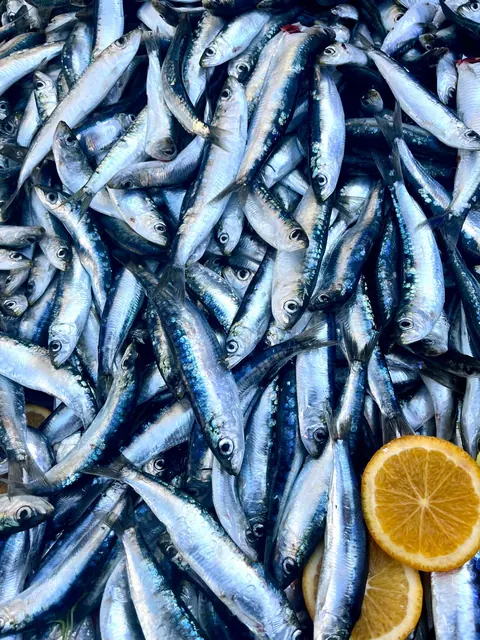
Sardines
Supplements
Explore common supplement ingredients, from vitamins and minerals to plant extracts. Open a card to learn what each ingredient does, where it comes from, how to read its label, and which Kylin Star products contain it.
Helps the body absorb calcium. Sardines are one food source.
Sardines (illustrative ingredient source)
Vitamin D3 helps the gut absorb calcium and supports normal bone mineralisation. The skin can make D3 in sunlight. Fatty fish such as sardines provide D3, and egg yolks contain smaller amounts.
D3 is a form of fat-soluble vitamin D. Labels may express its amount in micrograms (µg) or international units (IU).
We use lanolin-derived vitamin D3. Each capsule contains 20 micrograms (800 IU).
A group of water-soluble vitamins with roles in energy metabolism.
Chickpeas (a vitamin B6 source) (illustrative ingredient source)
B vitamins are a group of water-soluble vitamins. B1 helps the body use carbohydrates for energy, and B2 helps release energy from food. B6 takes part in amino acid metabolism and haemoglobin formation. B12 helps form red blood cells and supports nerve cell health.
Our rhodiola B-complex contains rhodiola, eleuthero and taurine. Our sustained-release B-complex also contains eleuthero and taurine. We list the vitamins and amounts for each product on its packaging.
Also called vitamin B9. Found in leafy greens and legumes.
Spinach leaves (illustrative ingredient source)
Folate, or vitamin B9, helps make DNA and supports cell division. Dark leafy greens and legumes are natural sources.
Folate refers to a family of compounds. Folic acid is a form commonly used in fortified foods and supplements.
In development
Helps make collagen. Guavas and bell peppers are food sources.
Taiwanese Emperor guavas (Tainung No. 1) (illustrative ingredient source)
Vitamin C helps make collagen and improves absorption of non-haem iron from plant foods. Guava, citrus fruit and bell peppers are food sources.
Vitamin C is water-soluble. Ascorbic acid is one form commonly used in supplements.
These tablets contain L-ascorbic acid in a sustained-release formulation.
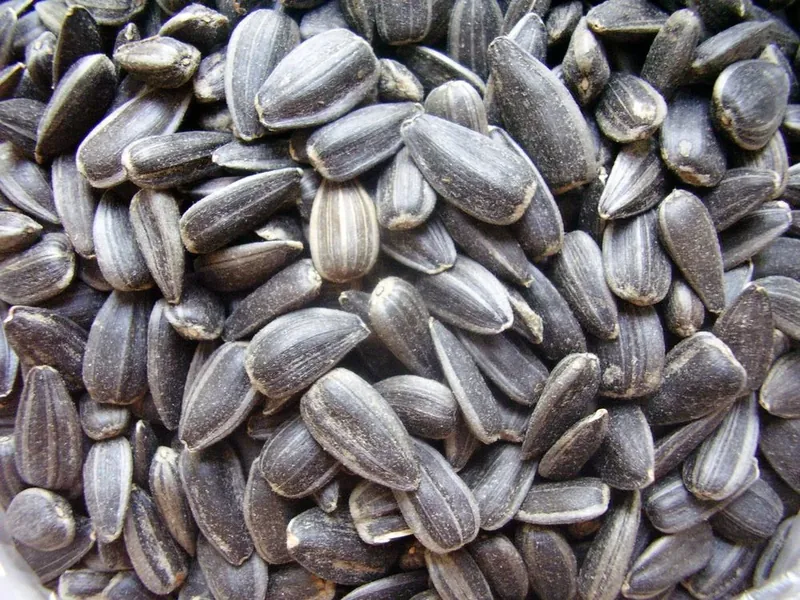
A fat-soluble nutrient found in seeds and vegetable oils.
Sunflower seeds (illustrative ingredient source)
Vitamin E is fat-soluble. Alpha-tocopherol acts as an antioxidant in the body, helping protect cell components. Nuts, seeds and vegetable oils provide it.
Vitamin E includes tocopherols and tocotrienols. Alpha-tocopherol is one of these forms.
In development
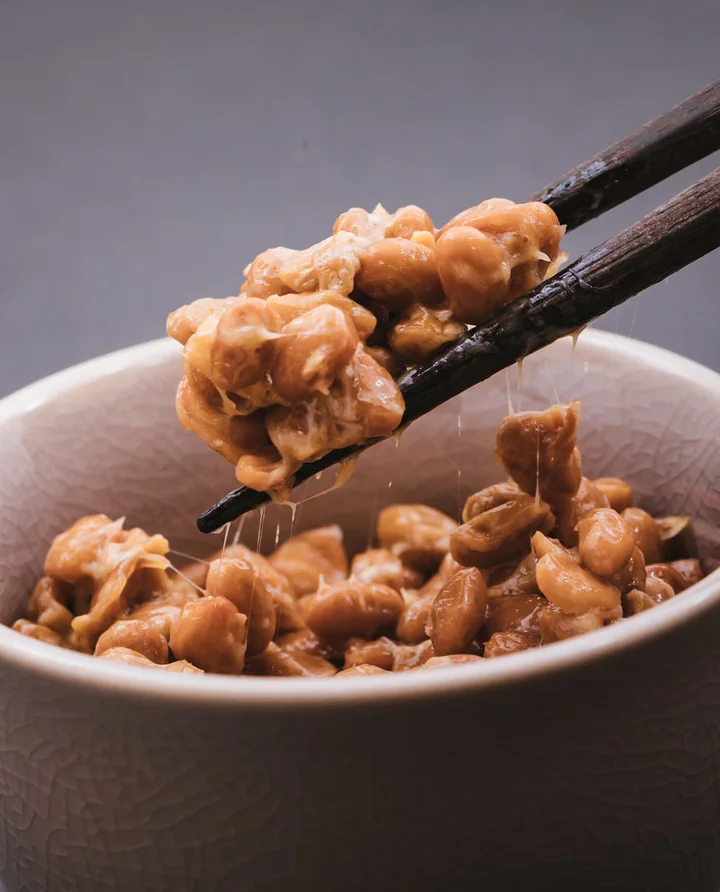
Supports normal clotting. Leafy greens and natto supply different forms.
Natto (illustrative ingredient source)
Vitamin K helps activate proteins needed for normal blood clotting and also supports the action of some bone proteins. Dark leafy greens provide K1, and fermented foods such as natto can provide K2.
Vitamin K1 is phylloquinone. Vitamin K2 covers several menaquinones, including MK-7.
In development
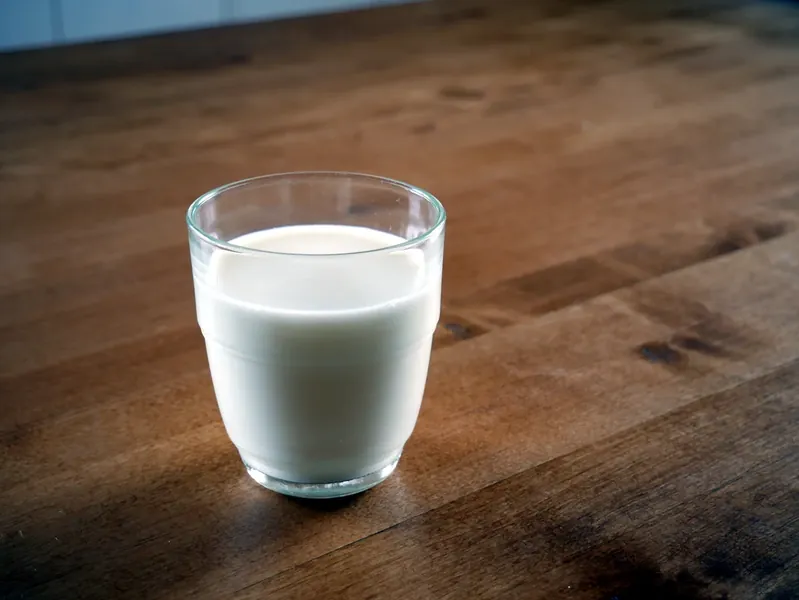
A mineral in bones and teeth, found in dairy and calcium-set tofu.
Milk (illustrative ingredient source)
Calcium is a major mineral in bones and teeth and also helps muscles contract and nerves send signals. Sources include dairy foods, calcium-set tofu and small fish eaten with their bones.
Calcium carbonate and calcium citrate are common forms. Check the amount of elemental calcium per serving.
This blend uses algae-derived calcium with plant-derived glucosamine, MSM and cat’s claw.
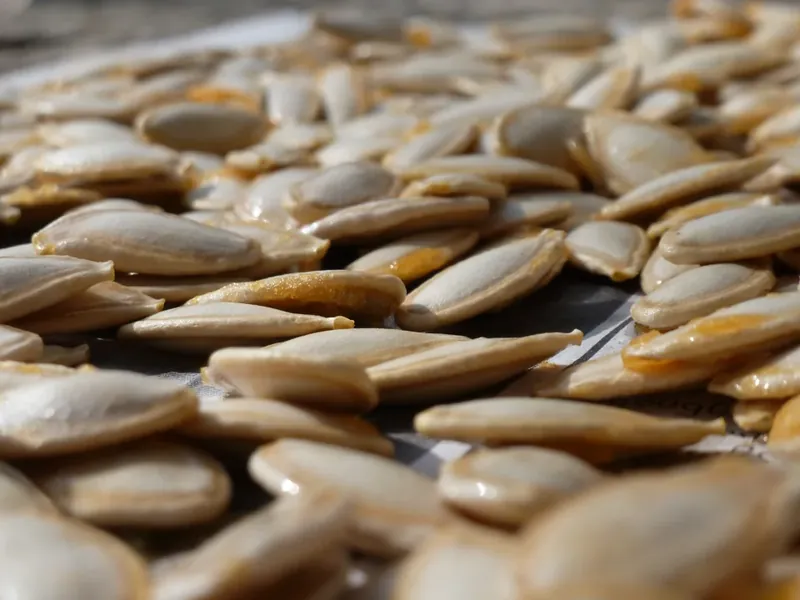
Supports energy metabolism and is found in nuts, legumes and whole grains.
Pumpkin seeds (illustrative ingredient source)
Magnesium helps many enzymes work and supports energy metabolism, muscle and nerve function. Nuts, legumes and whole grains are dietary sources.
Magnesium oxide and magnesium citrate are common forms. Look for both the form and the amount of magnesium per serving.
In development
Helps red blood cells carry oxygen. Found in meat, seafood and legumes.
Red lentil soup (illustrative ingredient source)
Iron is part of haemoglobin, which allows red blood cells to carry oxygen. Meat and seafood contain haem iron, while legumes and other plant foods provide mainly non-haem iron.
Ferrous sulfate and ferrous gluconate are common iron salts. Read the declared iron amount alongside the ingredient name.
In development
Supports immune function and taste. Oysters, meat and legumes supply zinc.
Oysters (illustrative ingredient source)
Zinc plays roles in immune function, protein and DNA synthesis and the sense of taste. Oysters, meat, legumes and nuts provide zinc.
Zinc gluconate and zinc sulfate are different forms. Labels generally also show the zinc amount per serving.
In development
A trace mineral that forms part of proteins called selenoproteins.
Brazil nuts (illustrative ingredient source)
Selenium is a mineral the body needs in small amounts. It is part of selenoproteins, some of which help process thyroid hormones and others help protect cells from oxidative stress.
Selenium is a trace mineral. Selenomethionine is an organic form found in supplements.
In development
The thyroid uses iodine to make hormones. Iodised salt and seaweed supply it.
Dried kombu (illustrative ingredient source)
The thyroid needs iodine to make hormones that regulate energy metabolism. Iodised salt, seafood and seaweed can supply iodine. Amounts in seaweed vary widely by species.
Iodine is a trace mineral. Potassium iodide is one source used in supplements.
In development
A family of fats. Fish and some algae supply EPA or DHA.
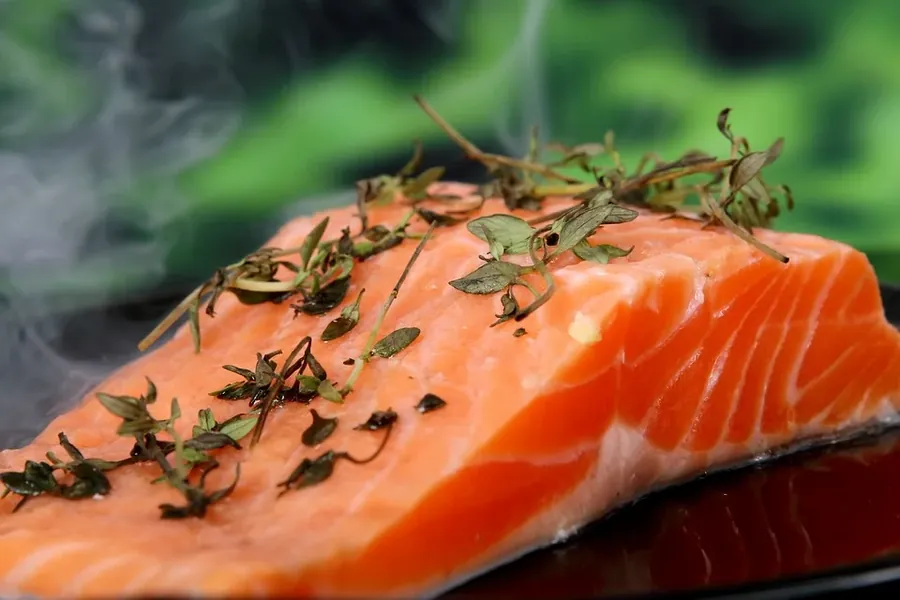
Salmon (illustrative ingredient source)
The body uses omega-3 fatty acids from food as building blocks for cell membranes. DHA is particularly abundant in the membranes of the brain and retina. Fish and some algae supply EPA or DHA.
EPA and DHA are omega-3 fatty acids. Total fish oil weight also includes other fatty acids, so labels may list fish oil and omega-3 amounts separately.
For example, one capsule may contain 500 mg of fish oil, including 425 mg of omega-3. To compare products, check how many capsules make up a serving, then compare the omega-3 amounts for the same number of capsules.
We use fish oil to supply EPA and DHA. Each capsule contains 500 mg of fish oil, including 425 mg of omega-3 fatty acids.
Two natural pigments found in dark leafy greens and egg yolks.
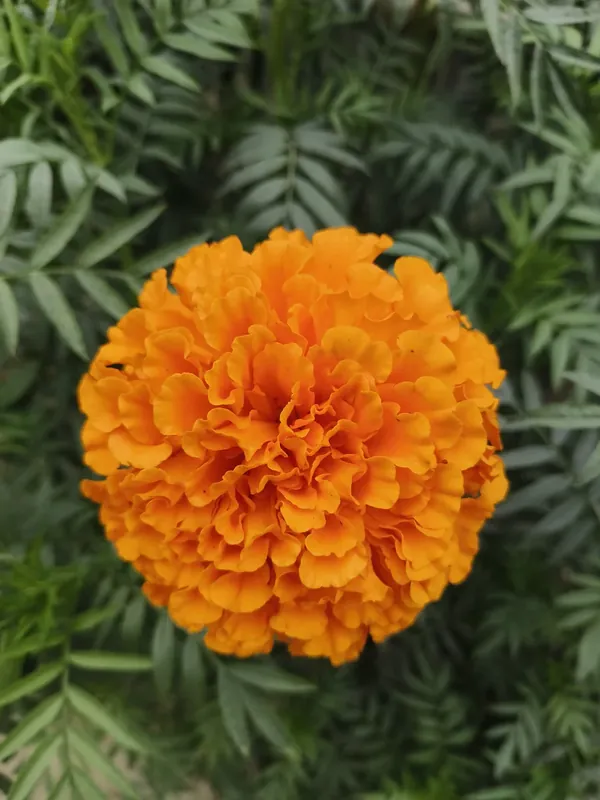
Marigold (illustrative ingredient source)
Lutein and zeaxanthin are pigments found in foods. They are also components of the retina’s macular pigment, which absorbs some blue light. Dark leafy greens and egg yolks provide these pigments.
We pair marigold-derived lutein with zeaxanthin in a 5:1 ratio. Our blend also contains grape seed, bilberry, goji and cassia seed extracts.
A pigment that gives tomatoes and watermelon their red colour.
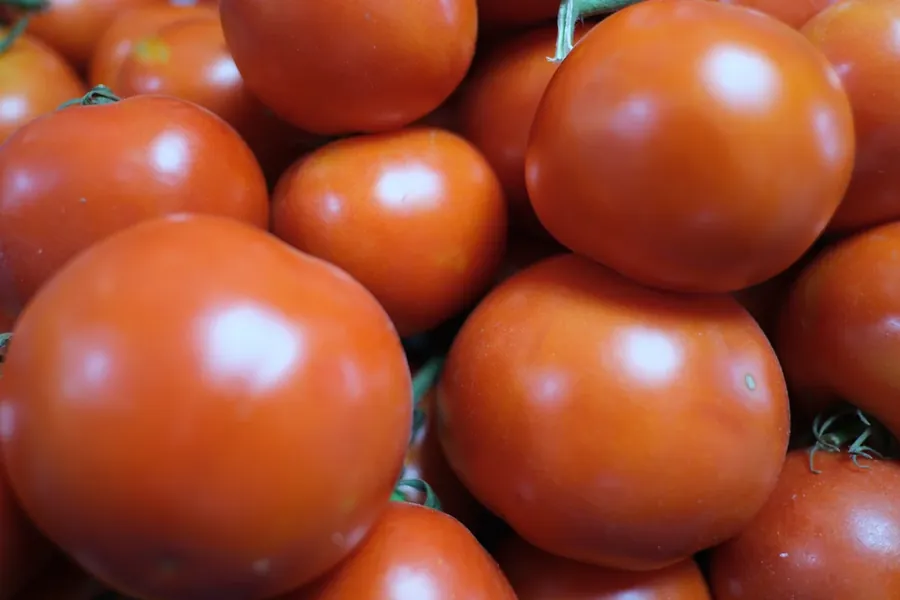
Tomato (illustrative ingredient source)
Lycopene is a carotenoid that gives foods such as tomatoes and watermelon their red colour. It is fat-soluble, and processing and fat in a meal can affect absorption.
A label may list the weight of tomato extract separately from its lycopene content.
Our blend combines pumpkin seed and lycopene-containing tomato extract powder with nettle root and chicory fibre.
Live microbes that benefit health in sufficient amounts.
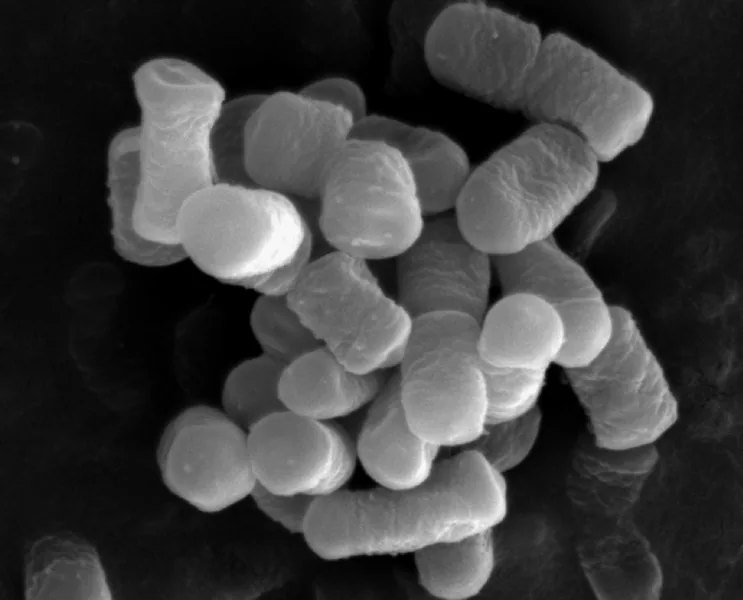
Lactiplantibacillus plantarum WYP (scanning electron micrograph) (illustrative ingredient source)
Probiotics are live microbes that provide a health benefit in sufficient amounts. Some lactic acid bacteria qualify, and so do some yeasts. Lactic acid bacteria give yoghurt its tang, and certain live cultures help people with lactose maldigestion digest lactose in that yoghurt.
On labels, a strain code identifies a specific strain. The strain count shows how many kinds are present. CFU (colony-forming units) estimates viable microbes able to form colonies. A higher count alone does not establish a greater benefit.
Our blend contains 15 strains of lactic acid bacteria and is labelled as containing 5 billion live bacteria. See the packaging for the individual strains.
Chicory root provides inulin, a type of dietary fibre.
Dried chicory root (illustrative ingredient source)
Chicory root is a source of dietary fibre and can be used to extract inulin, a fructan made up of linked fructose units.
Compare dietary fibre per serving and the ingredient name separately. If you need the inulin amount, check for a separate declaration.
Our blend pairs chicory fibre with nettle root, tomato extract powder and pumpkin seed.
A group of protein-digesting enzymes from pineapple fruit and stems.
Pineapples (illustrative ingredient source)
Bromelain is a group of protein-digesting enzymes found in pineapple fruit and stems. Pineapple can tenderise meat in a marinade as these enzymes break down proteins.
GDU measures its activity using gelatin as the substrate.
We use pineapple stem extract. Each tablet provides 1,200 GDU of enzyme activity.
Different enzymes act on different nutrients, such as starch or protein.
Wheat (grain example) (illustrative ingredient source)
The body makes digestive enzymes to break food down into smaller molecules that can be absorbed. Amylases break down starch, proteases act on proteins, and lipases act on fats.
We combine several enzymes with fermented plant ingredients. The fermentation ingredients include root vegetables, fruits, grains, legumes and seaweed.
Rhodiola extracts are commonly made from the root or rhizome.
Red roseroot fruit cluster (Rhodiola rosea) (illustrative ingredient source)
Rhodiola grows in cold regions and at high altitudes. Supplements commonly use extracts from its root or rhizome.
When comparing products, check the botanical name, plant part and amount of extract per serving.
Our B-complex blend combines rhodiola with eleuthero and taurine.
An Andean plant with an edible base often dried and ground into powder.
Dried maca slices (illustrative ingredient source)
Maca is a plant in the mustard family native to the Andes. Its edible swollen base is often dried and ground. Human studies have used different varieties, powders and extracts, and evidence for uses such as improving stamina remains limited.
Check whether the ingredient is whole powder or an extract, then check the amount per serving.
In development
A spice in the ginger family with a yellow-orange rhizome.
Turmeric rhizomes (Curcuma longa) (illustrative ingredient source)
Turmeric (Curcuma longa) belongs to the ginger family. Its underground stem, or rhizome, is bright yellow-orange when cut and gives many curries their colour and aroma.
In development
Wild yam is a Dioscorea plant. Its extract can contain diosgenin.
Wild yam vine and seed capsules (Dioscorea villosa) (illustrative ingredient source)
Wild yam extract comes from plants in the genus Dioscorea and may contain diosgenin. DHEA is a separate compound and a steroid hormone the body can make.
Diosgenin can be used to synthesise DHEA in a laboratory. The body does not carry out that conversion. Wild yam extract and DHEA amounts are separate label information.
These capsules use yam extract. Refer to the product label for ingredients and amounts.
The underground parts of nettle, used in powders or extracts.
Stinging nettle leaves (the plant the root comes from) (illustrative ingredient source)
Nettle root is the underground part of plants in the genus Urtica. Sources listed in the European Pharmacopoeia include common nettle and small nettle, and the material can include roots and rhizomes.
Check the botanical name, plant part and whether the ingredient is a whole powder or an extract.
This blend combines nettle root with chicory fibre, lycopene-containing tomato extract powder and pumpkin seed.
The fine threads that grow when a fungus is cultured.
Whole caterpillar fungus (Ophiocordyceps sinensis) (illustrative ingredient source)
Cultured mycelium is the threadlike network a fungus forms as it grows. Species, strains and growing conditions can affect its composition. Research findings are best interpreted in light of the ingredient that was studied.
A plant in the aralia family. Ingredient descriptions may list root or root and rhizome.
The botanical name is Eleutherococcus senticosus. Older ingredient documents may use Acanthopanax senticosus.
Cat’s claw is a common name. Use the botanical name to identify the material.
Cat’s claw can refer to Uncaria tomentosa or Uncaria guianensis. The USP monograph for Uncaria tomentosa describes the inner stem bark.
A structural protein found in skin, bones and tendons.
Fried fish skin (example of a fish source) (illustrative ingredient source)
Collagen is a structural protein in tissues such as skin, tendons and bones. Supplement sources often include fish, cattle or pigs.
Hydrolysed collagen is broken down into shorter peptides. Compare the source, form and amount per serving.
In development
An amino sugar that can be made by microbial fermentation.
Hexagonal glucosamine hydrochloride crystal (SEM)
Glucosamine is an amino sugar. In addition to shellfish-derived ingredients, fermentation can provide a non-animal source.
For a vegan product, check the ingredient source, capsule and other ingredients, along with any allergen statements. Hydrochloride and sulfate describe the form.
These capsules combine plant-derived glucosamine with cat’s claw, MSM and algae-derived calcium.
Also called methylsulfonylmethane, a small compound containing sulfur.
MSM powder (illustrative)
MSM stands for methylsulfonylmethane, a sulfur-containing compound. It often appears alongside glucosamine in supplement formulas.
Look for the amount of MSM per serving. The blend weight includes its other ingredients.
This blend pairs MSM with plant-derived glucosamine, cat’s claw and algae-derived calcium.
Made from three amino acids and involved in cellular redox balance.
Budding yeast (SEM, source example)
Glutathione is made from glutamate, cysteine and glycine. Cells produce it to help maintain their redox balance.
GSH denotes reduced glutathione. If a formula contains yeast extract, check whether the label specifies how much glutathione it provides.
In development
Also called gamma-aminobutyric acid, a signalling molecule in the body.
Germinated brown rice (illustrative ingredient source)
GABA stands for gamma-aminobutyric acid. The body makes it and uses it as a signalling molecule in the nervous system.
If a formula contains both GABA and L-theanine, check the amount per serving of each.
In development
An amino acid naturally present in tea leaves.
Tea plant leaves (illustrative ingredient source)
L-theanine is an amino acid found in tea leaves. Brewed tea can also contain caffeine, and amounts vary with the leaves and how the tea is prepared.
A label may list L-theanine per serving separately from the total tea extract weight. Check whether it also lists caffeine.
In development
A sulfur-containing compound that can appear as a separate ingredient in a blend.
The chemical name for taurine is 2-aminoethanesulfonic acid.
The body makes creatine. It is also found in meat and fish.
Marbling in raw beef (food source example) (illustrative ingredient source)
The body makes creatine, and meat and fish also contain it. Some creatine in muscle is stored as phosphocreatine, which takes part in energy metabolism.
Creatine monohydrate is a common ingredient form. Compare the creatine amount per serving and check for other ingredients.
In development
Vitamin D helps maintain normal nerve and muscle function. To compare labels, use 1 microgram = 40 IU, so 10 micrograms equals 400 IU.
Each vitamin in a B complex has its own amount and role. Vitamin B1, for example, helps maintain normal appetite. Compare the named vitamins and their amounts one by one.
Folate helps form red blood cells. On imported labels, µg DFE means micrograms of dietary folate equivalents. A separate folic acid amount tells you the weight of folic acid itself.
Vitamin C helps maintain normal gum and skin function. Prolonged cooking can reduce its content in food, and some vitamin C can pass into the cooking water.
Vitamin E helps maintain cell membrane integrity. Both d-alpha and dl-alpha refer to alpha-tocopherol, but they identify different forms. Check the form before converting a label amount from IU to milligrams.
In K2 names such as MK-4 and MK-7, the number identifies the molecular side chain. On a label reading “MK-7, 90 micrograms,” MK-7 names the form and 90 micrograms is the amount.
Calcium also helps normal blood clotting. Calcium sulfate can be used to set tofu. To find out how much calcium a particular tofu contains, check its nutrition information.
Magnesium helps normal bone and tooth development. When comparing labels, check the serving size. If a serving is two capsules, the magnesium amount shown is the total for both.
Iron helps form normal red blood cells. Vitamin C eaten in the same meal helps the body absorb non-haem iron from foods such as legumes.
Zinc helps maintain normal appetite. Phytate in legumes and whole grains can affect zinc absorption, so a food’s zinc content and the amount absorbed are different measures.
The selenium content of plant foods depends in part on the soil. Food composition tables give reference values, and the same food can vary by region or batch.
Iodine helps maintain normal basal metabolism. Look for “iodised” on a salt label. Sea salt and rock salt describe the source or type and do not tell you whether iodine was added.
Flaxseed and walnuts provide omega-3 mainly as alpha-linolenic acid (ALA). To compare EPA or DHA, look for their individual amounts and leave ALA out of that comparison.
Free lutein and lutein esters are different forms. If two labels list different forms, look for a stated lutein equivalent before comparing milligrams per serving.
Pink grapefruit also contains lycopene. Colour can suggest which pigments are present, but it depends on other factors too and cannot tell you the amount in milligrams.
When a label says “10 billion CFU per serving,” look for the strain ID and whether the count applies at manufacture or at the end of shelf life. The number alone does not tell you when it was measured.
Dietary fibre can promote bowel movement. Inulin and insulin differ by a single letter in English. On an ingredient list, a reference to chicory helps identify inulin.
If an ingredient has a specification of 2,000 GDU per gram and a serving uses 0.5 g of it, that works out to 1,000 GDU per serving. Check whether the figure is per gram or per serving.
Different enzymes can use different activity assays. Two numbers may both read 1,000, but compare them only when the enzyme, unit and serving size match.
Roseroot contains salidroside and compounds known collectively as rosavins. An extract specification of “1% salidroside” means 1 mg of salidroside per 100 mg of extract by weight.
If a label says “maca 500 mg,” check whether that is per capsule or per serving. If a serving of two capsules contains 500 mg, each capsule accounts for 250 mg.
Turmeric powder is ground from the dried rhizome. An extract may separately list total curcuminoids, of which curcumin is one. A label that lists 200 mg of turmeric extract needs a separate figure to tell you how much curcumin it contains.
Culinary Chinese yam and North American wild yam can refer to different species. Dioscorea polystachya and Dioscorea villosa share a genus, and the second word of each scientific name distinguishes them.
In overseas ingredient references, radix is Latin for root and folium means leaf. When both entries use the name Urtica, these terms tell you which plant part is described.
If a specification lists total polysaccharides and beta-glucans separately, read each figure under its own heading. Beta-glucans are a group of polysaccharides, and the two figures are not interchangeable.
English references may call it eleuthero or Siberian ginseng. Match the botanical name first, then check whether the label describes root powder or root extract.
If a blend lists only “cat’s claw extract,” look for the botanical name and plant part. The common name alone does not identify the species.
“Type II” identifies the type of collagen. “Hydrolyzed” describes processing that breaks the protein into smaller fragments. Read the type, processed form and amount per serving separately.
If a specification gives both glucosamine hydrochloride weight and its glucosamine equivalent, the first includes the salt form and the second counts glucosamine alone. Compare figures on the same basis.
A specification of “99% MSM purity” describes the composition of the material. “500 mg per serving” on a product label describes the serving amount. The two figures answer different questions.
GSSG is oxidised glutathione, made up of two linked glutathione units. If a report lists both GSH and GSSG, check which form each result measures.
A GABA-containing fermented powder also contains other material. If a serving has 200 mg of powder specified at 10% GABA, it provides 20 mg of GABA by weight.
The “L” in L-theanine identifies the molecule’s configuration. It helps identify the form. To find out whether it came from tea leaves or another source, check the ingredient description separately.
On a B-complex blend, look for taurine as a separate ingredient. A total blend weight cannot tell you how much taurine it contains.
“Monohydrate” means there is one water molecule for each creatine molecule in the crystal. Check whether a specification reports creatine monohydrate weight or has converted the amount to creatine alone.
No matching ingredients.
Sardines
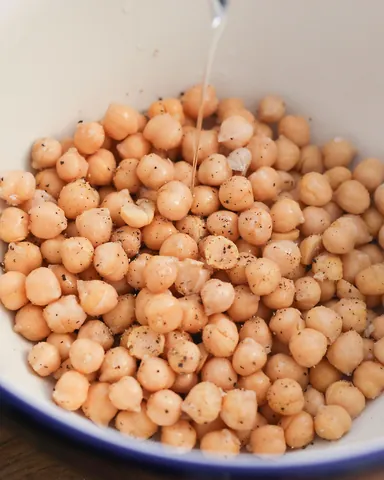
Chickpeas (a vitamin B6 source)
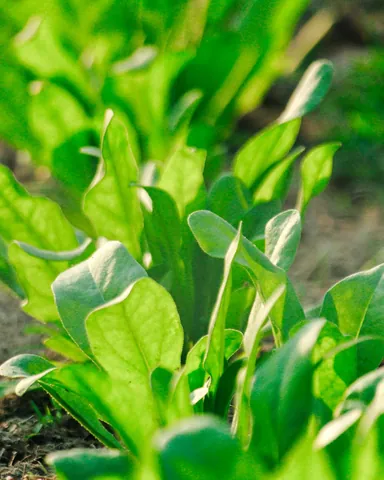
Spinach leaves
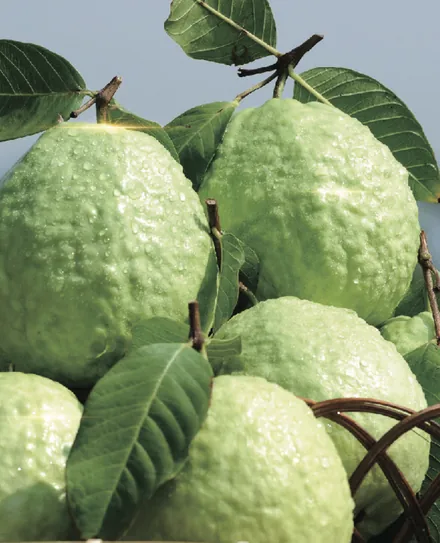
Taiwanese Emperor guavas (Tainung No. 1)
Sunflower seeds
Natto
Milk
Pumpkin seeds
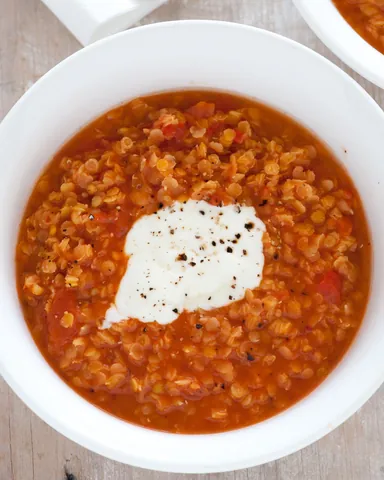
Red lentil soup
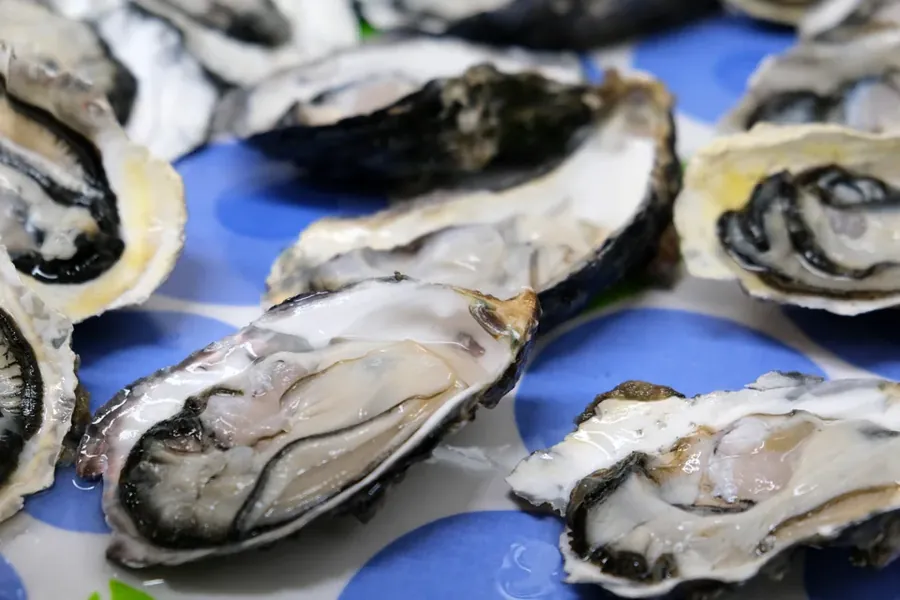
Oysters
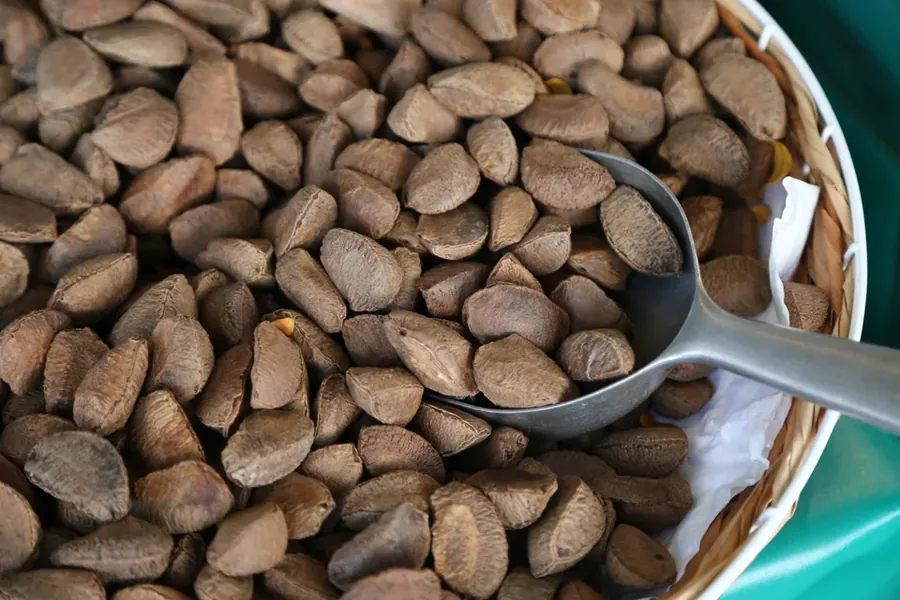
Brazil nuts
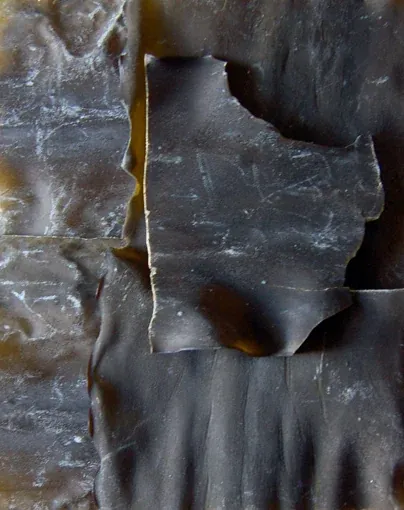
Dried kombu
Salmon
Marigold
Tomato
Lactiplantibacillus plantarum WYP (scanning electron micrograph)
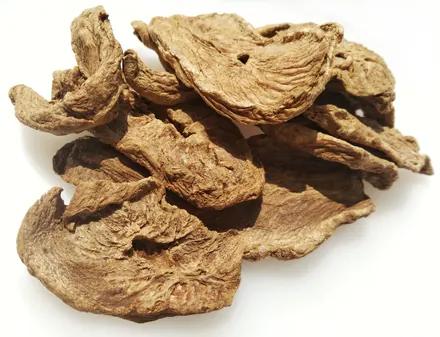
Dried chicory root
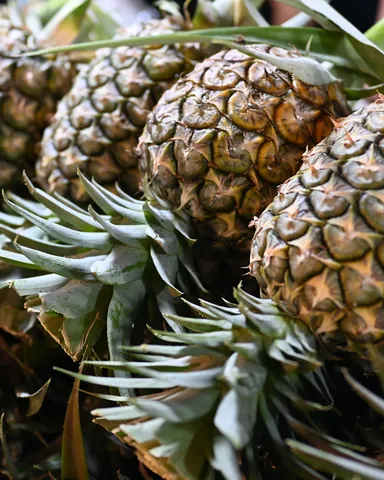
Pineapples
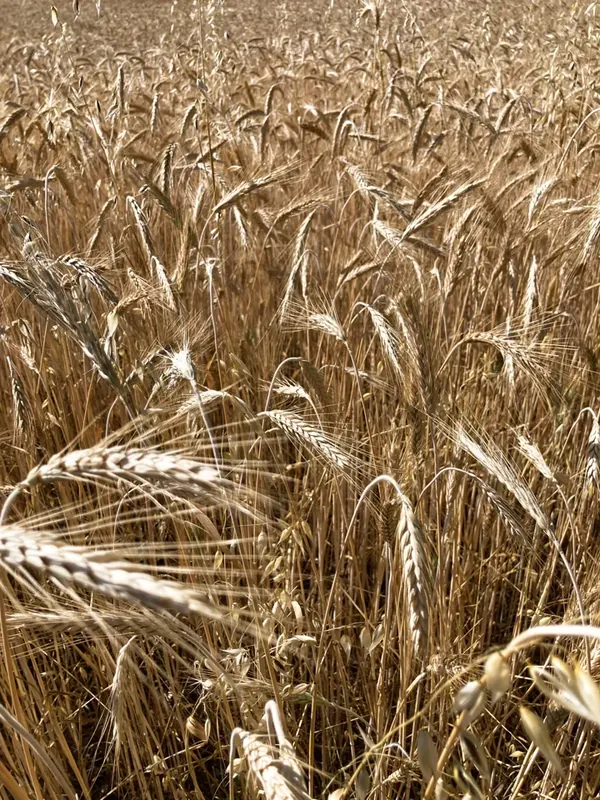
Wheat (grain example)
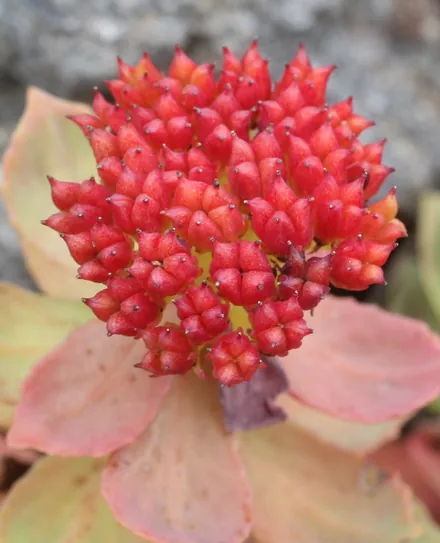
Red roseroot fruit cluster (Rhodiola rosea)
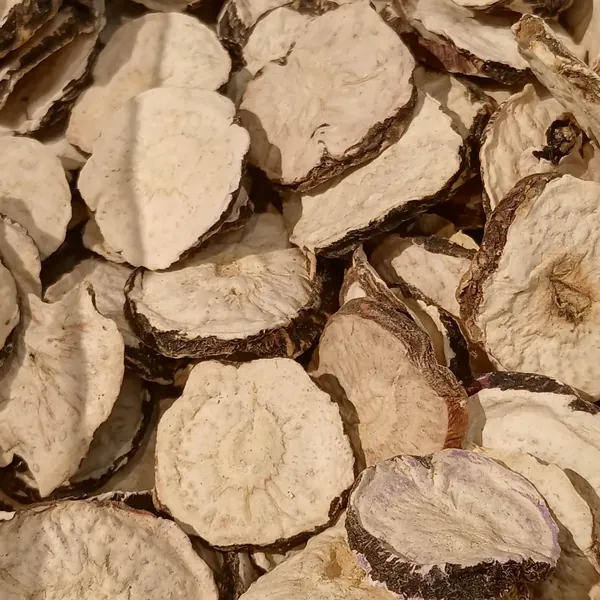
Dried maca slices
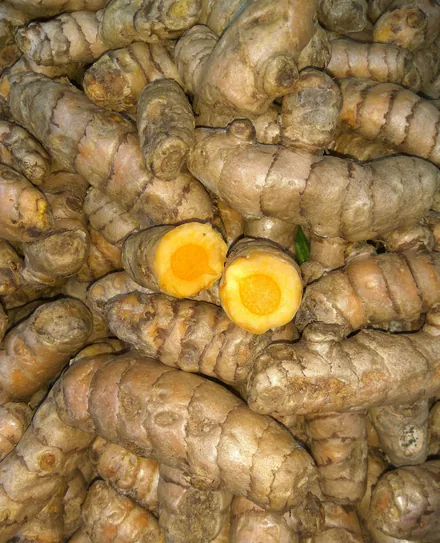
Turmeric rhizomes (Curcuma longa)
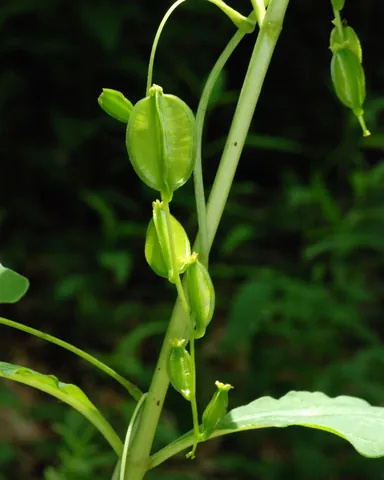
Wild yam vine and seed capsules (Dioscorea villosa)
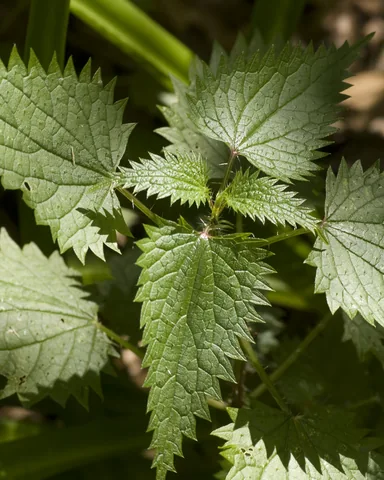
Stinging nettle leaves (the plant the root comes from)
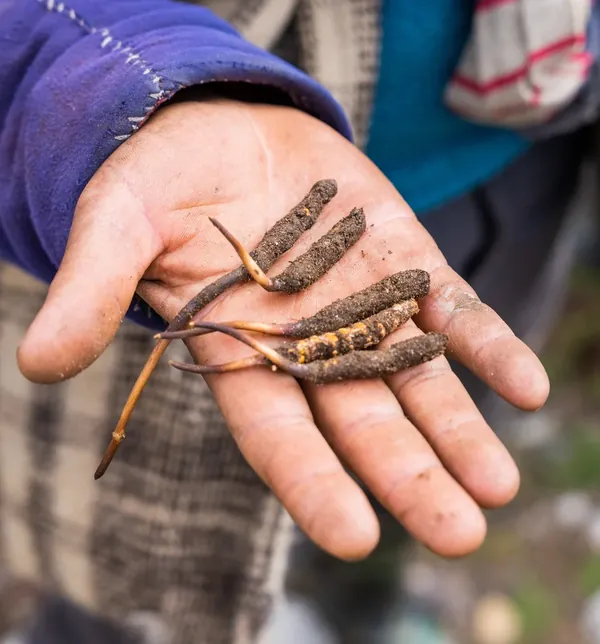
Whole caterpillar fungus (Ophiocordyceps sinensis)
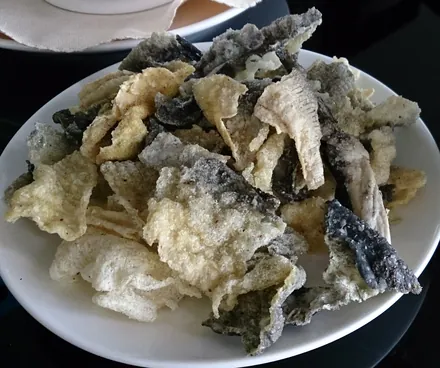
Fried fish skin (example of a fish source)
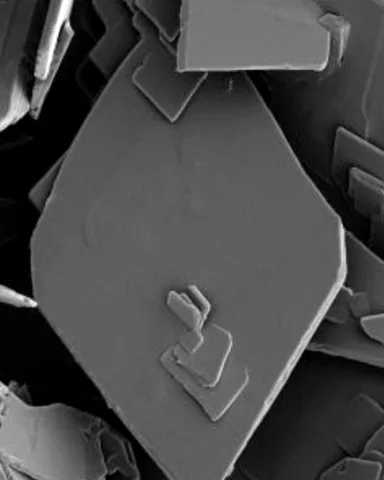
Hexagonal glucosamine hydrochloride crystal (SEM)

MSM powder (illustrative)
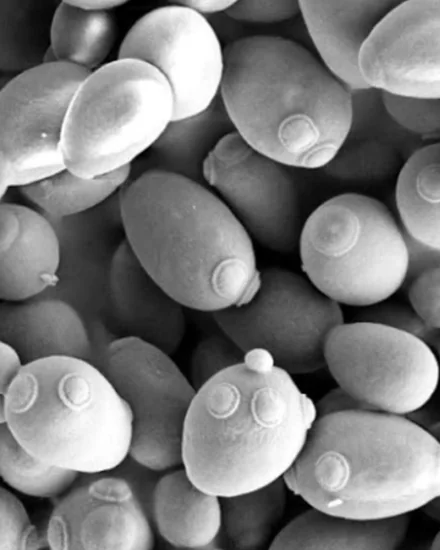
Budding yeast (SEM, source example)
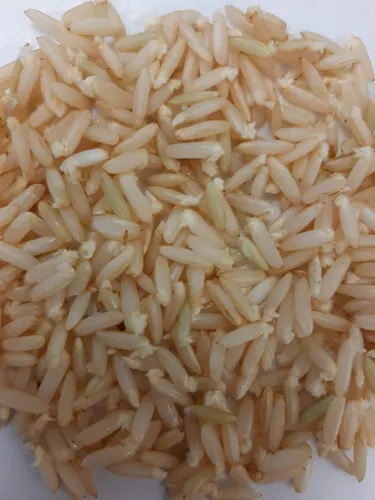
Germinated brown rice
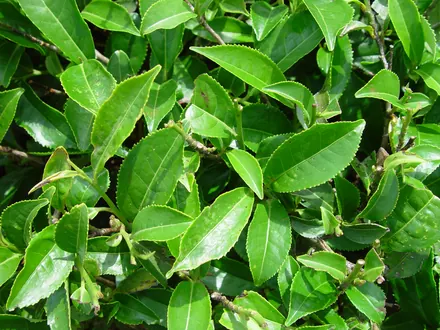
Tea plant leaves
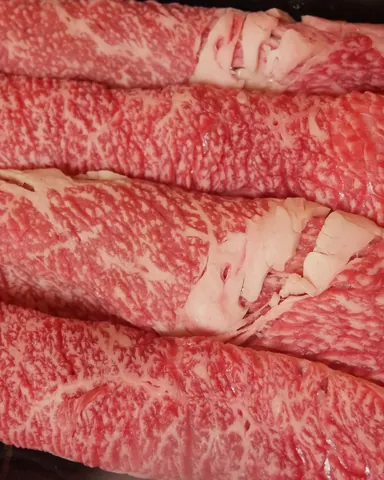
Marbling in raw beef (food source example)
Photos show common food sources, related ingredients or microscopic structures. See the product information for the ingredients Kylin Star uses. Images have been resized, cropped and given a slight contrast adjustment.
If you spot an error or have a suggestion, please contact us.